
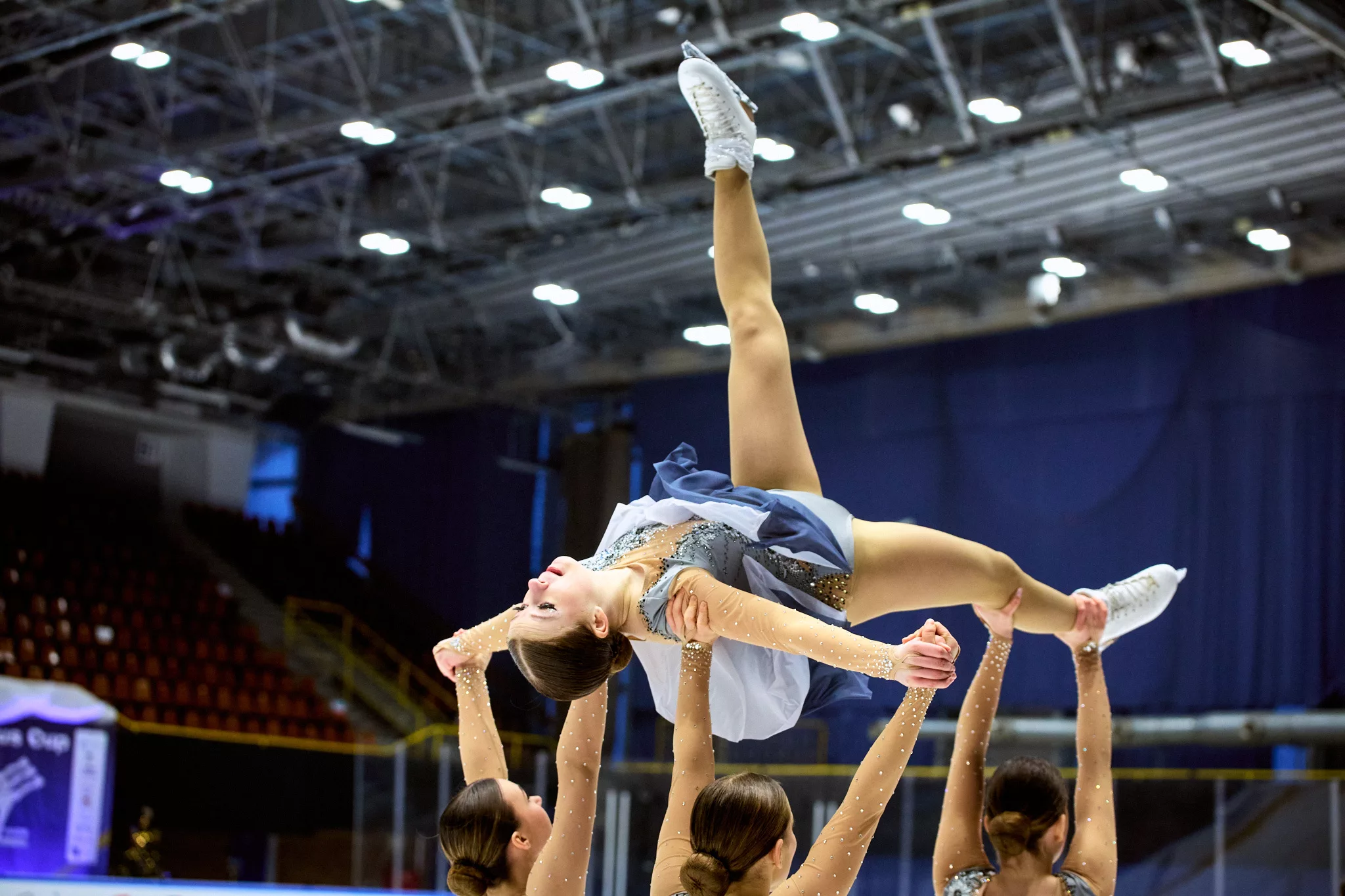
What motivated the choice of a 9-athlete format (and not 12)?
Philippe Maitrot - ISU: Twelve was still too many, and the IOC would never have agreed. So we looked at the minimum number of athletes that could make it easier for us to enter the Olympics. We settled on nine: with that number, we keep more configurations than with eight. Even if the number is odd, we have to keep creating and adapting.
What do you say to those who are excited about this step toward the Olympic Games, but regret that the sport has to change so much — even to the point of being “watered down”?
Most sports adapt to the IOC’s requirements. We’re doing the same.
For now, synchronized skating, which is not Olympic, lacks visibility and sponsors, and most federations don’t have the resources to take part on a large scale — as in figure skating or ice dance — in team travel to international competitions and in developing the discipline, receiving no funding from anywhere.
Entering the Olympic world will allow federations to receive funding from local authorities, governments, national Olympic committees, etc. The sport will then be known to the general public. As a team sport, it will appeal to the media and the public, and I bet sponsors will follow.
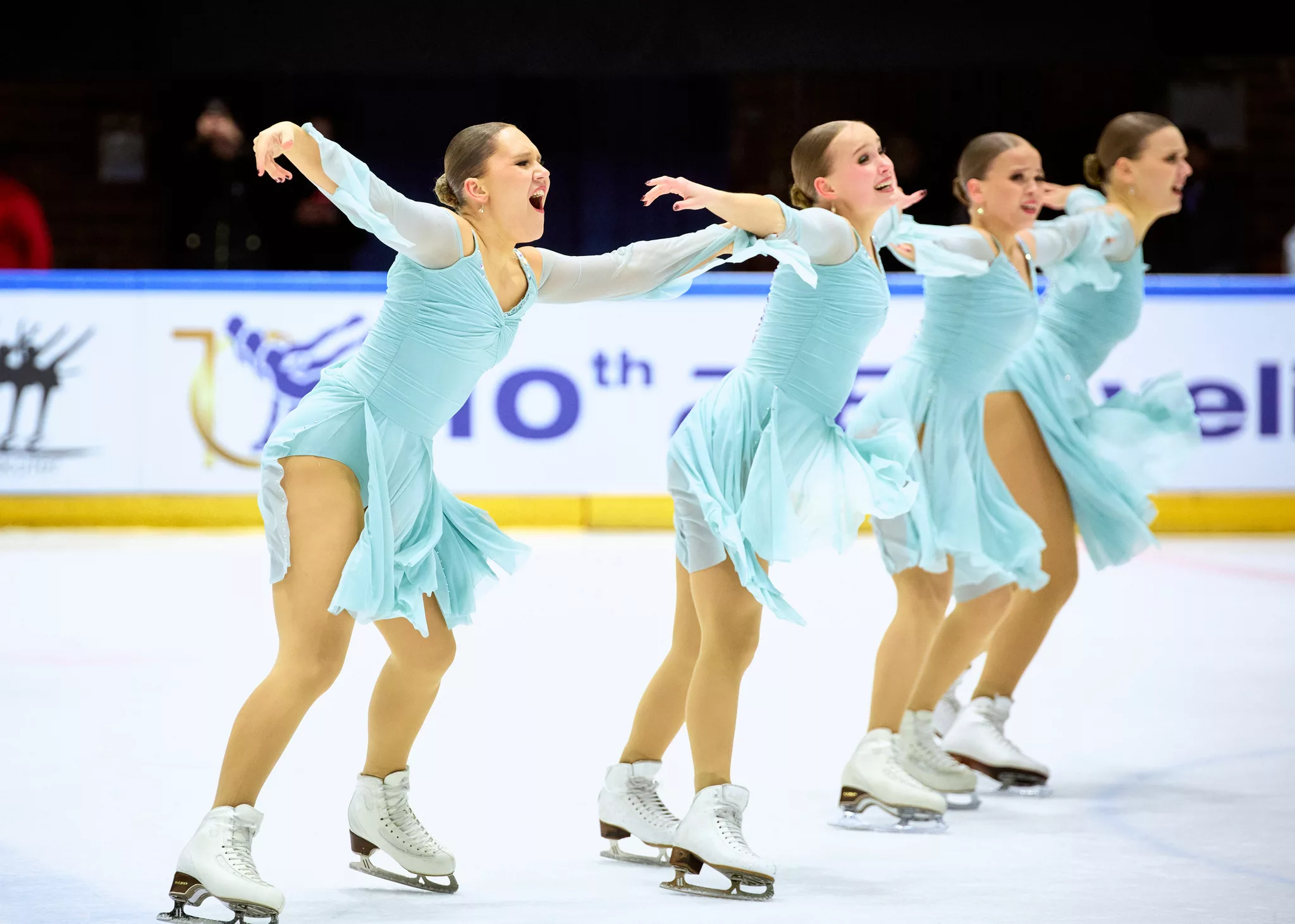 Ville Vairinen - 2026
Our athletes will now be recognized. New nations will emerge. For example, when synchronized skating’s participation in the YOG was announced, China asked us for the regulations to prepare.
We are not trying to make 16- or 12-skater synchro disappear — we are adapting.
Synchronized skating’s entry into the Olympic sphere is the best thing that can happen to the discipline.
Rugby entered the Olympics with a different number of athletes between rugby union (15s) and rugby sevens. Everyone says the sport is different, and that is surely true. For us, it’s the same.
Which demonstration teams are planned in Prague and Salzburg in 2026?
Three teams have started working on the new program concept, which will be presented as a demonstration at these two championships.
- In Prague: one team, Finland.
- In Salzburg: three teams, Canada, Finland and the United States.
Can you tell us more about the planned changes to the judging system?
The conditions set by the IOC were a reduction in the number of athletes and a simplified judging system, closer to the public. We are currently working on this. You will discover this new system soon.
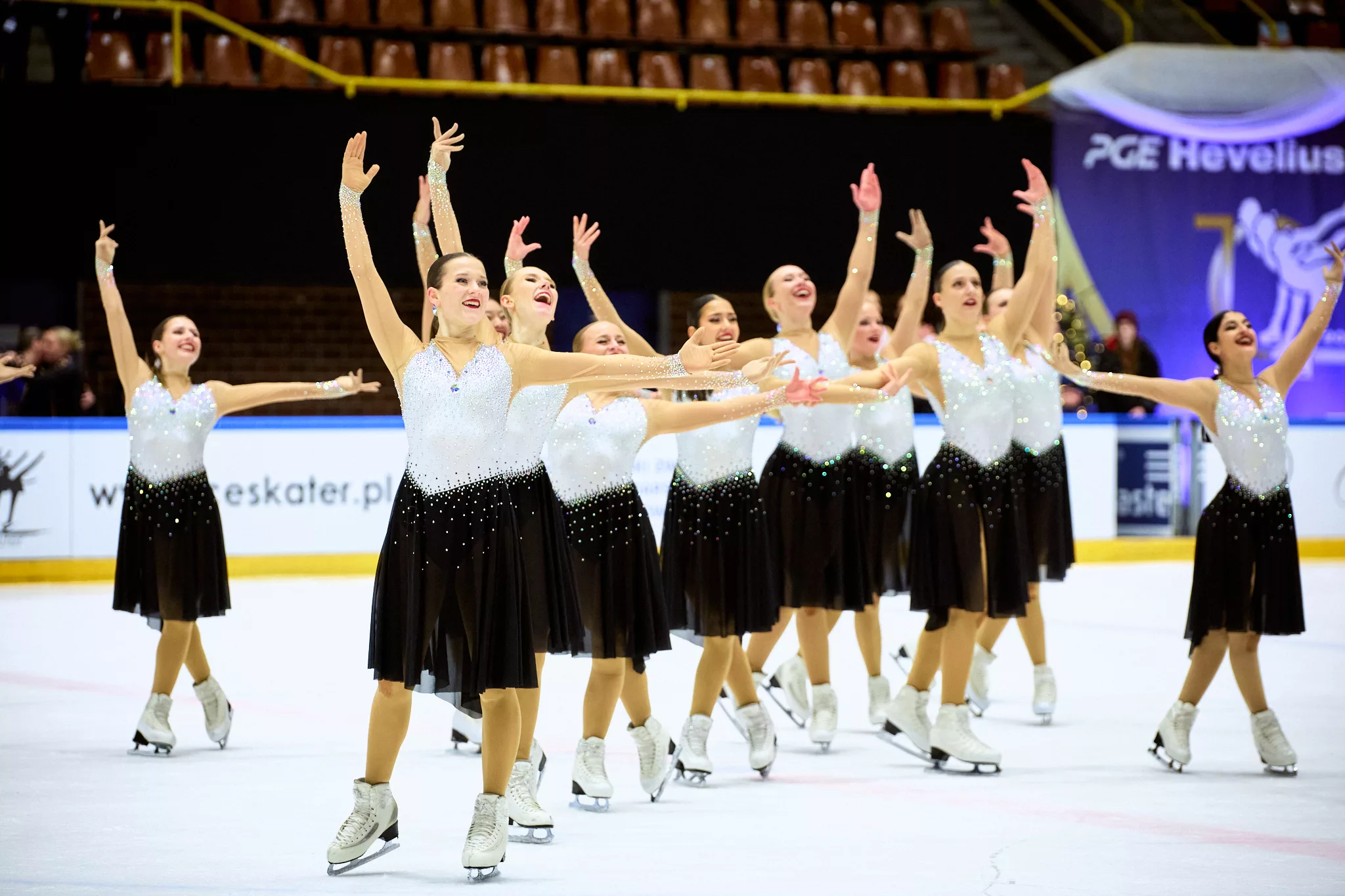 Ville Vairinen - 2026
Can you also tell us more about the “battle format”? How will it work? Will there still be two programs?
We haven’t made final decisions yet, but yes, the battle format project is being studied alongside the new system. The number of programs and their duration will most likely change, due to the new format.
What are the major milestones ahead?
After this season’s World Championships, the new competition format and the content of the different programs will be presented to the federations, along with the recruitment and training of judges for this new discipline. All of this is part of the ISU Vision 2030.
The start of next season will be very important: the new judging system will be tested, then used at international competitions, so that we are ready for the Junior World Championships in Nottingham 2027, which could serve as qualifiers for the YOG 2028.
And personally, what do you think?
Personally, without the support of our President Kim Jae Youl and our Director General Colin Smith, I don’t think our entry into the YOG would have been possible. It’s a first step, but a decisive one.
A different discipline, yes — but for the good of the discipline, for the coaches and their athletes. We are now working for the future of synchronized skating, its renewal, and it’s quite exhilarating.